Managing rental properties can quickly evolve from a passive investment into a full-time job. Whether you own a single family home or a portfolio of apartment complexes, the administrative burden can be overwhelming. This is where Outsourcing Property Management Services (OPMS) comes into play. By delegating daily operations to specialized experts, investors can reclaim their time and focus on scaling their assets.
Key Takeaways
- Definition: Outsourcing involves hiring third-party agencies or Virtual Assistants (VAs) to handle tenant relations, maintenance, and finances.
- Cost Efficiency: Outsourcing often costs less than hiring full-time in-house staff, reducing overhead by up to 60-70% in some models.
- Core Services: Includes rent collection, 24/7 maintenance coordination, tenant screening, and lease enforcement.
- Top Benefits: improved work-life balance, access to better technology (PropTech), and strict legal compliance.
What Is An Outsourcing Property Management Service?
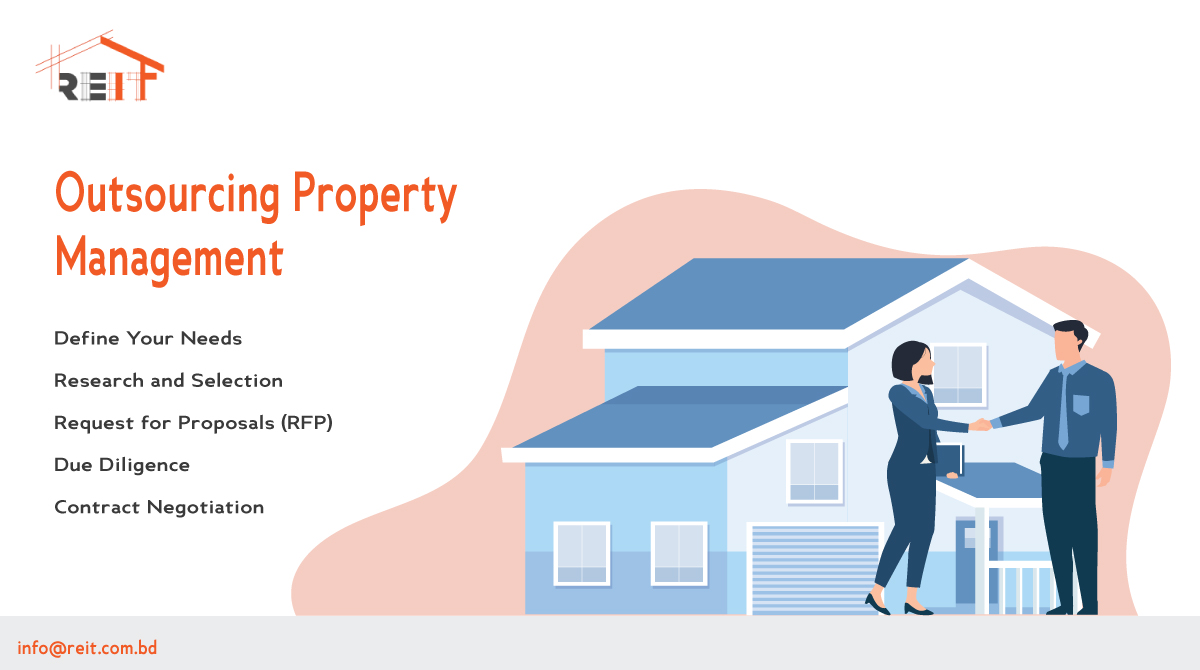
An outsourcing property management service is a third-party solution where landlords hire external agencies or virtual teams to handle the operational tasks of rental properties. These services range from full-service local management (handling everything on-site) to remote property management virtual assistants who handle administrative tasks like accounting, tenant communication, and maintenance dispatching.
While traditional property managers have always existed, the modern trend focuses on Business Process Outsourcing (BPO). This allows property owners to delegate specific tasks—such as after-hours calls or bookkeeping—without giving up total control of the asset.
Note: According to the Buildium 2024 State of the Property Management Industry Report, efficiency and streamlining operations are top priorities for 92% of property managers, driving the surge in outsourcing adoption.
Why Would You Want To Outsource Property Management?
Landlords outsource property management primarily to scale their portfolios without increasing their personal workload or overhead costs. By leveraging a dedicated team, owners gain access to institutional-grade resources, software, and legal expertise that would be too expensive to acquire individually.
There are three critical drivers for outsourcing:
- Cost Reduction: Hiring a full-time, in-house property manager in the US or UK is expensive (salary + benefits). Outsourcing to specialized firms or offshore Virtual Assistants can significantly lower labor costs.
- Scalability: When you manage properties yourself, you hit a ceiling on how many units you can handle. Outsourcing removes this cap, allowing you to acquire more assets.
- Expertise & Technology: Professional services use advanced Property Management Software (PMS) like AppFolio or Yardi, ensuring streamlined rent collection and maintenance tracking.
Who Are The Main Players in Outsourcing Property Management?
The main players in property management outsourcing are divided into Full-Service Management Firms and Specialized BPO (Business Process Outsourcing) companies.
The landscape has evolved beyond just “local property managers.” It now includes:
- Full-Service Local Agencies: These companies handle everything physically, including inspections and key handovers. They are best for owners who want a completely hands-off experience.
- Virtual Assistant (VA) Staffing Firms: Companies like Cs PropTech or Rocket Station provide remote staff to handle back-office tasks (leasing calls, accounting).
- Maintenance Coordination Centers: Services like Latchel or Super specifically handle 24/7 maintenance troubleshooting and vendor dispatching.
These players service various asset classes, including Single-Family Rentals (SFR), Multi-Family Housing, Student Housing, and Commercial Real Estate.
How Will They Help You? ( The Workflow)
Outsourcing services help by taking over the repetitive, high-stress tasks of the rental cycle, ensuring consistent cash flow and asset protection.
Once you onboard with a service, the workflow typically looks like this:
- Tenant Acquisition: They market vacancies across major listing sites (Zillow, Apartments.com) and conduct rigorous screening (credit checks, background checks).
- Rent Collection: They implement digital payment portals to ensure on-time payments and handle late fee enforcement automatically.
- Maintenance Triage: When a tenant reports a leak at 2 AM, the service handles the call, troubleshoots the issue, and dispatches a vetted vendor if necessary.
- Legal Compliance: They ensure all lease agreements and eviction proceedings adhere to local Fair Housing Laws.
Comparison: Self-Management vs. Outsourcing
| Feature | Self-Management | Outsourced Management |
| Cost | Low (Time expensive) | Moderate (Fees apply) |
| Tenant Screening | Limited access to data | Full background/Credit checks |
| Maintenance | Owner handles 24/7 | 24/7 Coordination Team |
| Scalability | Low | High |
FAQs: Common Questions About Property Management Outsourcing
1. Why is property management so stressful?
Property management is stressful because it requires 24/7 availability, conflict resolution skills, and legal knowledge. Managers often face “burnout” due to constant interruptions, difficult tenants, and the pressure of maintaining an expensive physical asset. Outsourcing relieves this pressure by acting as a buffer between the owner and the daily problems.
2. What are the main types of property management?
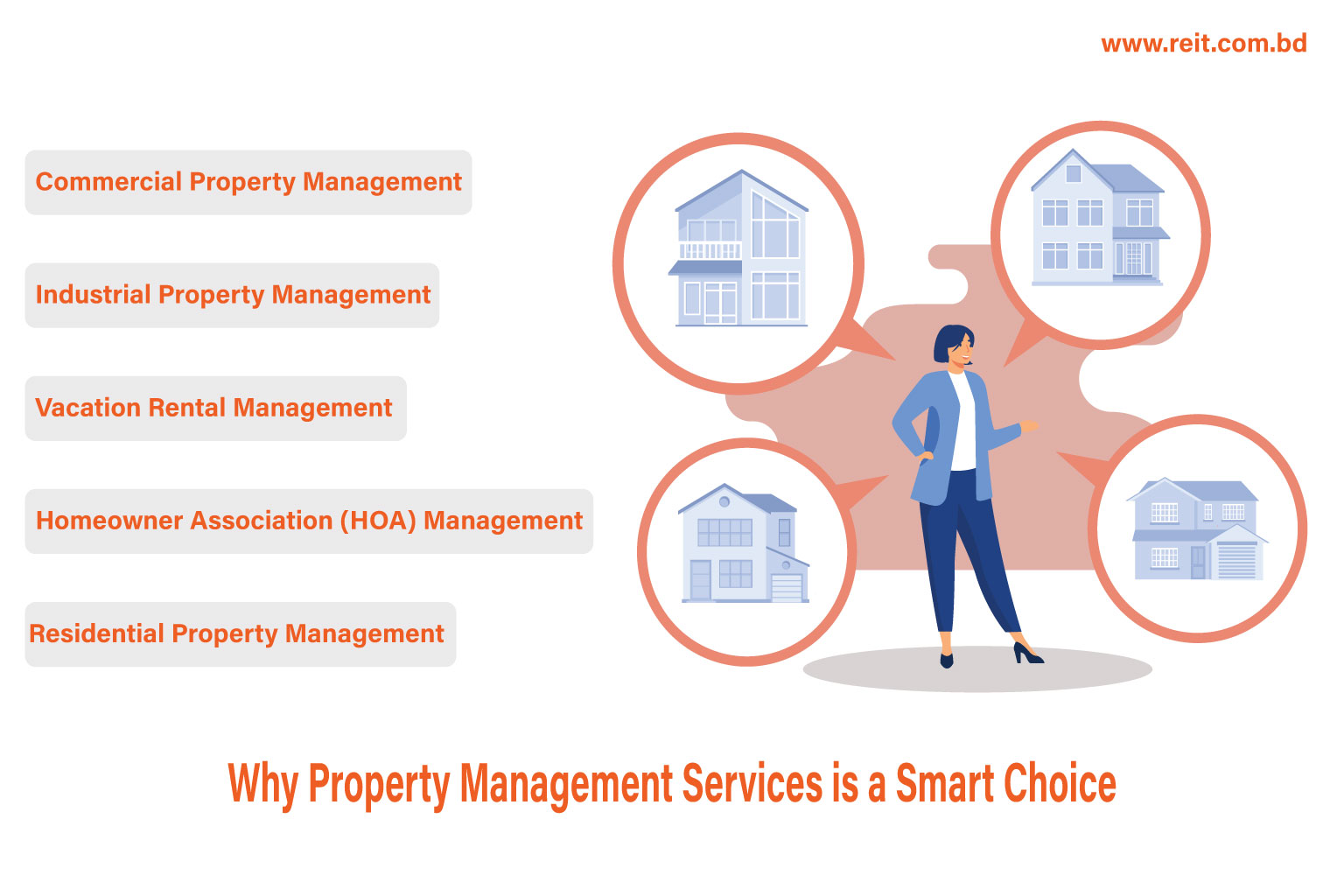
There are four primary categories of property management:
- Residential: Single-family homes, apartments, and condos.
- Commercial: Office buildings, retail spaces, and hotels.
- Industrial: Warehouses, distribution centers, and manufacturing facilities.
- Special Purpose: Theaters, schools, and places of worship.
3. What is a SWOT analysis in property management?
A SWOT analysis is a strategic planning technique used to evaluate a property’s potential. It identifies:
- Strengths: (e.g., High-demand location, modern amenities).
- Weaknesses: (e.g., High maintenance costs, outdated HVAC).
- Opportunities: (e.g., Adding tech amenities to increase rent).
- Threats: (e.g., New competitor developments, changing zoning laws).
4. Can outsourcing save me money if I have to pay fees?
Yes, outsourcing can save money in the long run. While you pay a management fee (usually 8-12% of collected rent), professional managers often achieve higher occupancy rates, secure better vendor pricing for repairs, and prevent costly legal mistakes. Additionally, for remote teams, the cost of a virtual assistant is significantly lower than a local employee.
5. What tasks should I outsource first?
It is recommended to outsource the most time-consuming or specialized tasks first. Most investors start by outsourcing maintenance coordination (to stop late-night calls) and accounting/bookkeeping (to ensure tax compliance).