Tired of tenant calls and 24/7 hassles? Discover if outsourcing your property management is a smart investment, not just a cost. This practical guide reveals how experts eliminate legal risks, secure premium tenants faster, and maximize your ROI. We detail the true 8-12% fee breakdown and offer a simple checklist to find the best local manager near you. Make your rental truly passive.
Key Takeaways
- Outsourcing Property Management is highly justified for landlords seeking to save time, mitigate legal risks, and ensure professional property upkeep, despite the initial cost.
- The primary benefits include securing quality tenants faster, ensuring legal compliance with landlord-tenant laws, and maintaining property value through timely, expert repairs.
- A good property management company acts as an expert buffer, reducing landlord stress by handling rent collection, maintenance calls, and eviction proceedings.
- When hiring, focus on their fee structure (percentage of collected rent), maintenance procedures, and frequency of property inspections and owner reports.
- Verdict: For most busy or distant landlords, the cost is an investment that yields significant returns in time, reduced liability, and consistent cash flow.
Why is Outsourcing Property Management Justified?
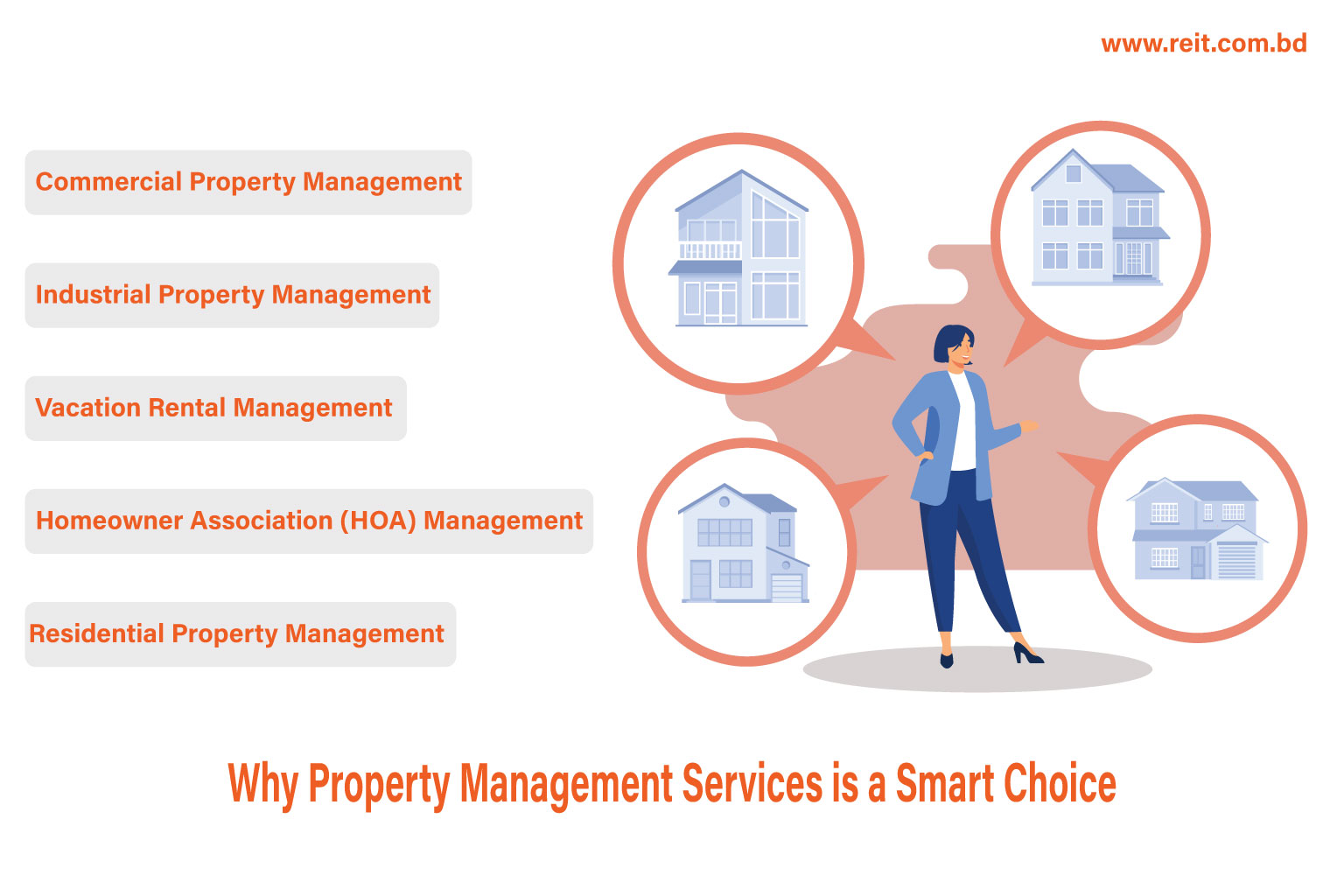
Outsourcing property management involves delegating the day-to-day operations of a rental property to a third-party professional or firm. This decision is highly justified for property owners who value their time, lack local proximity to the property, or wish to shield themselves from the complex legal and administrative burden of being a full-time landlord. The service essentially turns a high-effort, second job into a passive investment by handling everything from tenant screening and rent collection to maintenance and legal compliance.
What are the Key Benefits of Outsourcing Property Management?
The key benefits of outsourcing property management center around Risk Mitigation, Time Efficiency, and Expertise Leverage. These are critical for maximizing ROI and minimizing stress.
Benefit Category | Specific Value Proposition | GEO Entity & Importance |
Legal Protection & Compliance | Ensuring adherence to complex Federal and State landlord-tenant laws, including Fair Housing regulations. | Fair Housing Act: Strict compliance prevents costly discrimination lawsuits. |
Time Savings & Efficiency | Eliminating the 24/7 demands of being on-call for repairs, tenant issues, and marketing vacant units. | Time Management: Frees up the owner’s time for portfolio expansion or other ventures. |
Financial Optimization | Securing market-competitive rent, minimizing vacancy periods, and ensuring timely rent collection. | Cash Flow: Optimized collections and low vacancy rates stabilize rental income. |
Tenant Quality & Screening | Using established systems for comprehensive background checks, credit checks, and eviction history searches. | Tenant Screening: Professional screening dramatically lowers the risk of property damage and non-payment. |
How Does Professional Property Management Handle Tenant Screening?
Professional property management companies utilize proprietary systems and databases to conduct a thorough, multi-point tenant screening process that is both faster and more comprehensive than what an individual landlord can typically achieve.
The standard screening protocol includes:
- Credit History: Checking the applicant’s FICO score and payment history to assess financial reliability.
- Criminal Background Check: A national or local check for relevant offenses, adhering strictly to local laws and non-discrimination guidelines.
- Employment & Income Verification: Contacting employers to confirm stable income, typically requiring income of 3x the monthly rent.
- Rental History Verification: Contacting previous landlords to assess property care, payment timeliness, and adherence to lease terms.
Expert Insight: According to a 2023 survey by The National Association of Residential Property Managers (NARPM), properties managed professionally had, on average, a 15% lower tenant turnover rate compared to self-managed properties, largely due to better initial screening.
What are the Typical Fees for Outsourced Property Management Services?
The cost of outsourced property management generally falls into two categories: a monthly management fee and setup/ancillary fees.
- Monthly Management Fee: This is the primary cost, typically ranging from 8% to 12% of the monthly collected rent. It is crucial that the fee is based on collected rent, not due rent.
- Leasing Fee (or Placement Fee): A one-time fee charged for placing a new tenant. This usually equals 50% to 100% of the first month’s rent.
- Vacancy Fee: Some companies charge a small fee if the property remains vacant past a certain period, incentivizing quick turnover, though many top firms omit this.
- Maintenance Markup: Some firms add a markup (e.g., 5-15%) to third-party vendor invoices for coordinating repairs.
What Should Owners Look for When Choosing a Property Management Company?
To ensure E-E-A-T (Experience, Expertise, Authoritativeness, Trustworthiness), a property owner must vet a management company based on operational transparency and specific credentials.
- Experience: How long has the company been managing properties in the local market? Local expertise in specific neighborhoods and rent control laws is non-negotiable.
- Communication Policy: Demand a clear policy on communication, including the frequency of Owner Reports (monthly is standard) and the process for emergency maintenance approvals.
- Maintenance Protocol: Ask if they use licensed, insured vendors and if they require owner approval for repairs exceeding a certain dollar threshold (e.g., $300-$500).
- Eviction Experience: Inquire about their track record and process for handling evictions, which demonstrates their expertise in a high-risk area of the business.
FAQs
Yes, a professional property management company will provide an annual Form 1099-MISC or 1099-NEC detailing all rent collected and a comprehensive year-end statement of all expenses incurred (maintenance, fees, utilities). This dramatically simplifies tax filing for the owner, making the process much more efficient.
Even with a single rental, outsourcing is often better if you live far away, work a demanding full-time job, or are unfamiliar with local landlord-tenant ordinances. The time saved and the reduction in legal liability often outweigh the cost, transforming the single property into a truly passive income stream.
Reputable property management firms provide 24/7/365 emergency services. They have a pre-approved list of vetted vendors (plumbers, electricians, HVAC) who can be dispatched immediately to handle issues like burst pipes or furnace failures, protecting the property from catastrophic damage.